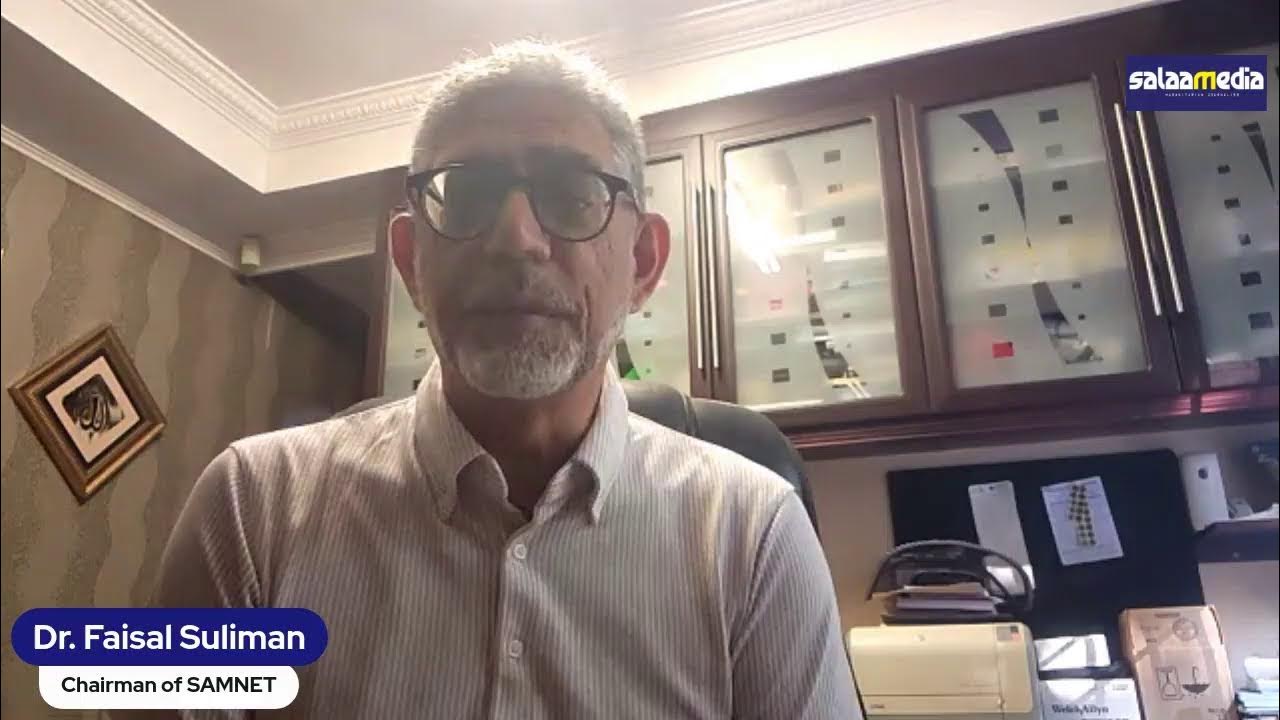
The Muslim community has always had a voice. Today, it is being drowned out. According to Dr Faisal Suliman, chairperson of the South African Muslim Network (SAMNET), it is not enough to be aware of oppression. We must actively reclaim the narrative.
This begins at home, spreads through our institutions, and reaches the spaces where decisions are made. In a conversation held in South Africa, Dr Suliman outlines how the Muslim ummah is being outplayed in the global information war, and what needs to be done to turn that around.
When media control silences Muslim struggles
Dr Suliman points to a simple but powerful truth. Those who control the narrative, control the world. Most mainstream and social media platforms, whether international news outlets or apps like Instagram and TikTok, are steered by pro-Israel or right-wing voices. The result is devastating.
Palestinians are labelled aggressors. African Muslim nations facing destabilisation are ignored. The Muslim ummah is portrayed as either passive or violent.
This control affects how stories are told and which truths are heard. Platforms shape how reality is packaged and filtered. Dr Suliman explains that our perception is not just influenced. It is manipulated. In a country like South Africa, where Muslims are a minority, this manipulation hits harder.
This is why reclaiming the narrative must become an urgent community priority. Not through slogans alone, but through education, digital literacy and real conversation inside our homes.
SMread: Fragile ceasefire halts deadly Sweida clashes
It starts in your home, not online
“Reclaiming the narrative begins at home,” says Dr Suliman. “Not in protest lines or on social media posts.” Too many Muslim households are consumed by celebrity culture, football matches or viral videos. Meanwhile, urgent issues like genocide, occupation and local discrimination are left untouched in daily conversations.
The first step is personal awareness. Muslims need to scrutinise the brands they support and the professionals they trust. From banks to grocery items, many products and services are tied to Israeli interests. Conscious consumerism is not optional. It is an act of resistance.
Education must also rise to the challenge. “Our madrasahs and schools need to teach beyond routine and ritual,” he says. “They must raise political awareness and encourage creative expression around issues like Palestine.” When young people are taught to think critically, they grow into adults who resist quietly accepted oppression.
SMread: Buhari’s legacy a mix of patriotism, division and integrity
How action can look like prayer
Dr Suliman calls out a dangerous pattern. Too often, Muslims believe that marching once a year or donating once in a while is enough. “We are doing the bare minimum and calling it activism,” he says.
He highlights another issue. Some Muslims avoid protests because they are mixed-gender or held in public spaces. But real resistance is not always comfortable. It is not always filtered through perfect conditions. “Our faith is not just about worship. It includes standing against injustice,” he says.
The conversation also warns of deeper threats. Beyond Palestine, Muslim communities in the Sahel and parts of South Africa are being targeted in destabilisation campaigns backed by Israeli interests. There have even been cases of mosque bombings and organised harassment. These are not isolated events. They are part of a wider effort to weaken Muslim unity.
SMread: A Lenasia activist’s fight against GBV
Challenge media bias with Muslim innovation
Social media platforms are not neutral. They are built to prioritise certain voices while muting others. This includes AI tools and algorithms that shadowban or block content around Muslim suffering. However, the same technology can be used to counter this trend. Muslim developers, journalists and educators need to use digital spaces wisely. From fact-checking tools to alternative news platforms, resistance can be built online with strategy and sincerity.
But this only works if people care. Every post that spreads awareness matters. Every conversation that questions injustice matters. The alternative is silence. And silence is rarely neutral. It usually benefits the oppressor.
SMread: OUTA Takes City of Johannesburg to Court Over ‘Draconian’ CCTV Bylaw
From individual effort to collective impact
There are over 80 Muslim-led organisations in South Africa. Dr Suliman believes their energy is being spread too thin. Everyone is working, but few are working together. “If just twenty of these groups pooled their resources, we would see change that is loud and lasting,” he says.
He also urges stronger support for advocacy groups like SAMNET and media channels like Salaamedia. These spaces are actively trying to shift the narrative. They need more than moral support. They need funding, volunteers and community backing.
What we do not need is more apathy. More distractions. More excuses. This is not a media war. It is a war on truth. And the only way to win is to make the truth louder, smarter and united.
“Our support for Palestine should go beyond marches and donations. It requires a total mindset change and active participation in advocacy and consciousness raising.” — Dr Faisal Suliman
